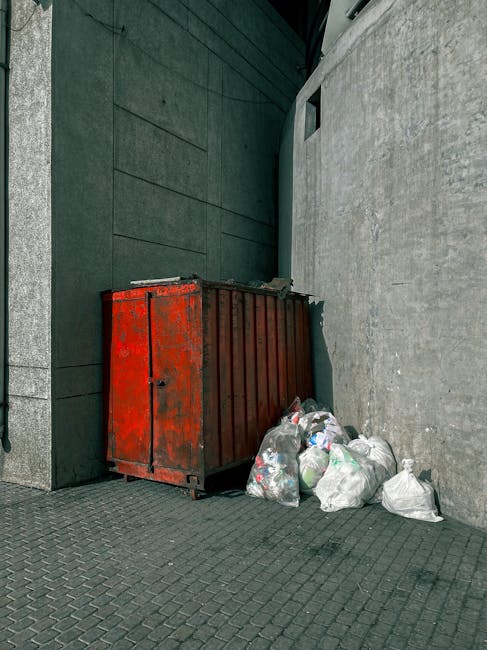
What to know about Brent Council rubbish disposal rules
If you live, work, or manage property in Brent, rubbish disposal can feel straightforward right up until it isn't. One week it's a black bag and a cardboard box; the next it's a sofa, a broken fridge, plasterboard, or a pile of garden cuttings after a wet Saturday afternoon. That is usually when people start asking what the Brent Council rubbish disposal rules actually mean in practice.
This guide breaks it down in plain English. You'll find out how local waste rules generally work, what tends to be accepted or refused, where the common mistakes happen, and how to stay on the right side of council expectations without making the job harder than it needs to be. To be fair, waste rules are rarely exciting. But getting them wrong can be messy, costly, and a bit embarrassing when bags are left behind on the pavement.
For many households and businesses, the most useful approach is simple: understand the basics, separate waste properly, and choose the right disposal route for the material in front of you. If you need help with larger clearances, you can also look at practical services like general waste removal support, or a more targeted option such as house clearance when the volume is simply too much for normal bins.
Here's the short version: follow the local collection rules, keep recyclables clean and separate, don't put prohibited items in the wrong container, and plan ahead for bulky or hazardous waste. The details matter. They really do.
Table of Contents
- Why Brent Council rubbish disposal rules matter
- How the rules work in practice
- Key benefits and practical advantages
- Who this is for and when it makes sense
- Step-by-step guidance
- Expert tips for better results
- Common mistakes to avoid
- Tools, resources and recommendations
- Law, compliance, standards, and best practice
- Options, methods, and comparison table
- Case study or real-world example
- Practical checklist
- Conclusion
- Frequently asked questions
Why Brent Council rubbish disposal rules matter
Waste rules matter because rubbish doesn't disappear just because it's outside your front door. In Brent, as in any London borough, waste left out incorrectly can attract pests, block pavements, create complaints from neighbours, and trigger enforcement action. Nobody wants that, and nobody wants to drag a half-spilled bin bag back inside on a rainy morning either.
There's also a practical side. If you sort waste well, you save time and avoid rejected collections. If you don't, the same job can turn into three separate jobs: moving the waste, re-sorting it, and then paying again to dispose of it properly. That pattern comes up more often than people think, especially after home renovations, spring clear-outs, or a last-minute office move.
Another reason this topic matters is that local waste guidance is not just about what goes in a wheelie bin. It can affect bulky waste, garden waste, electrical items, construction debris, and anything that looks harmless but needs special handling. A broken toaster is one thing; a fridge with coolant in it is another entirely. That's where confusion starts.
If you are dealing with furniture, appliances, or mixed household waste, it can be helpful to compare your options first. A lot of people look at furniture disposal or fridge and appliance removal when the council route is not the most convenient fit. The key is to choose the right route before the items are already sitting by the hallway.
Expert summary: The best waste outcome in Brent is usually not the cheapest-looking option at first glance. It is the option that matches the waste type, the amount of waste, and the collection rules without creating a follow-up problem.
How Brent Council rubbish disposal rules work in practice
At a basic level, council rubbish disposal rules set out how residents and local businesses should present waste for collection and what should be taken elsewhere. The system usually works around different waste streams: general rubbish, recycling, food waste, garden waste, bulky items, and specialist items that need separate handling.
In normal day-to-day use, that means you need to think about three questions before you put something out:
- What is it made of?
- Is it clean, contaminated, reusable, or hazardous?
- Does it belong in a regular bin, a recycling container, or a separate collection?
That sounds simple, but the edge cases are where people trip up. Greasy cardboard, for example, often can't go with clean paper recycling. Small electricals usually need a different route from household rubbish. Paint tins, chemicals, and batteries can't just be treated like normal waste because they can leak, react, or harm people handling them. Not ideal. Obviously.
Brent residents also need to think about presentation. Bags or containers should be closed properly, placed where collection crews can safely access them, and not blocked by cars, scaffolding, overgrown hedges, or random leftover junk from the week before. Council collections are built for routine waste, not for a mini obstacle course.
For bigger jobs, the council route may not be the most efficient. If you are clearing a loft, flat, office, or garage, a dedicated collection can be easier to organise and often more realistic than waiting around for multiple pickups. Options like loft clearance, garage clearance, and office clearance are useful when the waste is mixed and the clock is ticking.
Key benefits and practical advantages
Following disposal rules properly is not just about avoiding trouble. There are real practical benefits, especially in a busy borough where space is tight and waste can build up fast.
- Cleaner streets and shared spaces: rubbish put out correctly is less likely to be split open by birds, weather, or passing traffic.
- Fewer missed collections: if your waste is sorted and presented properly, it is more likely to be taken first time.
- Less stress during clear-outs: when you know where each item belongs, the whole process feels much more manageable.
- Better recycling outcomes: keeping recyclables clean and separate gives them a better chance of being recovered properly.
- Lower risk of complaints or enforcement issues: especially useful for landlords, shop owners, and property managers.
There is also a quieter benefit that people often forget: better habits at home or work. Once rubbish disposal is organised, the day-to-day mess is lower. The kitchen stays clearer, the back alley smells less, and everyone spends less time wondering whose turn it was to take the bags out. Tiny win, but a real one.
If you are dealing with regular commercial waste, a structured service such as business waste removal can help keep things consistent. For homeowners, simple planning usually does the trick. For bigger clearances, a proper waste route saves more time than people expect.
Who this is for and when it makes sense
This information is relevant to a lot more people than you might think. Brent Council rubbish disposal rules matter for:
- homeowners and tenants sorting daily rubbish
- landlords dealing with end-of-tenancy clear-outs
- flat residents with limited storage and shared bins
- builders and decorators managing renovation waste
- shop owners and offices producing regular commercial waste
- families clearing furniture, appliances, or loft clutter
- gardeners handling cuttings, soil, and seasonal outdoor waste
It makes the most sense to review the rules before a busy weekend, before moving house, or before starting a project that will generate a lot of rubbish. That little bit of planning can save a nasty surprise later. For example, people often assume a broken mattress or old sofa can go out with normal rubbish. Sometimes it can't. In that case, it is worth looking at a dedicated route like mattress and sofa disposal rather than guessing and hoping for the best.
The same goes for garden waste. It looks harmless enough, just leaves and cuttings, but it still needs the right handling. If you've spent an afternoon wrestling with damp hedge clippings in a black sack, you'll know how quickly "simple waste" becomes a nuisance. A specific service such as garden clearance can be a sensible alternative when the pile grows faster than expected.
Step-by-step guidance
Here is a practical way to approach rubbish disposal in Brent without overthinking it.
- Identify the waste type. Separate general waste, recycling, food waste, garden waste, electrical items, furniture, and anything hazardous.
- Check what can be mixed and what cannot. Clean dry materials usually behave differently from contaminated or bulky items.
- Remove items that need special handling. Batteries, chemicals, and certain appliances should not be treated like ordinary rubbish.
- Use the correct container or collection method. A normal bin is not the right home for everything, no matter how tempting it is to shove it all in and shut the lid.
- Present the waste properly. Bags should be closed, items should be accessible, and nothing should be blocking walkways.
- Book a specialist clearance when the volume is too high. If you're dealing with a full room, a garage, or an office, a dedicated collection is usually the saner route.
A useful rule of thumb: if you would feel nervous explaining the item to the person collecting it, it probably deserves a second look. That is usually enough to stop most mistakes before they happen.
When the job is more than a normal household bag or two, a planned collection is often better than improvising. You can compare broader support through waste removal services or, for property-wide clearances, options like home clearance and flat clearance.
Expert tips for better results
After dealing with enough clear-outs, a few patterns become obvious. The people who have the easiest time are not always the ones with the smallest pile. They are the ones who sort early and keep the waste streams separate from the start.
- Keep a "questionable items" box. Put uncertain things there until you have time to check where they belong.
- Flatten cardboard properly. It saves space, keeps things neater, and makes recycling easier.
- Never mix hazardous items with general waste. One leaking container can spoil the rest.
- Book removal before the pile becomes awkward. Once waste starts blocking doors, stairs, or access routes, the job gets harder.
- Think about access. A first-floor flat with no lift and a narrow stairwell is a very different job from a front-drive collection. The collection method should match the space.
One small, practical habit helps a lot: take a quick photo of the waste pile before you arrange collection. It helps you judge volume, and it makes quoting easier if you are comparing disposal options. Not glamorous, but useful.
For heavier or awkward items, specialist help can be worth it. Builders' debris, for example, tends to need a very different approach from a few kitchen bags. If that sounds familiar, have a look at builders waste clearance. It is a good reminder that not all rubbish is created equal.
Common mistakes to avoid
Most disposal problems in Brent are not dramatic. They are small mistakes repeated at the wrong time. Here are the big ones.
- Putting the wrong item in the wrong bin. This is the classic. It often causes rejection or contamination.
- Leaving bags loose or overfilled. Bags split. Lids won't close. Everyone gets annoyed.
- Assuming all electrical items are handled the same way. They are not.
- Mixing hazardous waste into general rubbish. This can create safety issues and may require separate handling.
- Forgetting about bulky or awkward waste. Sofas, fridges, and broken wardrobes usually need advance planning.
- Waiting until the last minute. That is when disposal gets expensive, rushed, and a little bit chaotic.
A surprisingly common problem is simply volume. People underestimate how much waste one room can generate. An old bedroom looks calm until you start pulling everything out and suddenly there are bags, a broken chair, two boxes of wires, and a mattress leaning by the door. Happens all the time.
If you are clearing furniture, it is often easier to use a dedicated route such as furniture clearance or furniture disposal rather than trying to fit awkward items into ordinary waste routines.
Tools, resources and recommendations
You do not need a complicated system to stay organised. A few simple tools and habits go a long way.
- Large sturdy bags or boxes: useful for sorting different waste types before collection.
- Labels or tape: handy if several people are generating waste in the same property.
- Measuring tape: useful for bulky items and access checks, especially in flats.
- Basic gloves and cleaning supplies: a practical choice when dealing with dusty loft items or garden waste.
- Clear notes or photos: make quoting and planning much easier.
On the service side, it helps to match the collection to the waste type rather than just picking the first available option. For example, an office moving out old paperwork may need a different approach from a household clearing a garage. If confidentiality is part of the job, confidential shredding is a more appropriate route than putting documents in mixed waste.
For appliance-heavy jobs, a dedicated collection such as fridge and appliance removal is often the cleaner option. And if your project is built around sustainability, it is worth looking at the company's approach to recycling and sustainability. That part matters more than people admit.
Law, compliance, standards, and best practice
This is the section where people usually start to sigh, but it is worth it. Waste disposal in the UK is governed by legal duties around correct handling, transport, and disposal. In practical terms, that means you should not dump waste illegally, pass it to an unlicensed operator, or mix hazardous material into ordinary rubbish because it seems easier in the moment.
Best practice generally means keeping a clear line between ordinary household waste, recyclable material, bulky waste, and anything potentially dangerous. It also means using a waste provider that can explain what they take, how they handle it, and where it goes. If a service is vague about this, that is usually a sign to pause. Trust your instincts there.
For commercial users, record-keeping matters more than for a one-off home clearance. Businesses should be especially careful about storage, segregation, and responsible handover. If you are managing an office move, the combination of paper, electronics, furniture, and fixtures can become a compliance headache fast. Planning ahead is not overkill. It is common sense.
Useful policy pages can also help you judge professionalism. For instance, a provider's health and safety policy, insurance and safety information, and payment and security details can all give you confidence that the operation is run properly. That kind of transparency is a good sign. Always.
Options, methods, and comparison table
There is no single best way to deal with rubbish in Brent. The right method depends on volume, waste type, urgency, and access.
| Method | Best for | Strengths | Watch-outs |
|---|---|---|---|
| Regular council bin collection | Routine household waste | Simple, familiar, good for everyday use | Limited capacity, strict sorting rules, not suitable for bulky items |
| Recycling containers | Clean paper, cardboard, plastics, and similar materials | Supports reuse and reduces landfill pressure | Contamination can cause rejection |
| Bulky waste collection | Sofas, mattresses, wardrobes, large household items | Convenient for one-off large items | Often needs booking and item limits |
| Specialist waste removal | Mixed clearances, appliances, office waste, builders' debris | Flexible, fast, tailored to the job | Needs clear item descriptions and access details |
| Skip guidance | Projects with predictable volumes of waste | Good for renovations and ongoing clear-outs | Must know what can go in a skip before loading it |
If you are unsure about skip loading, the page on what can go in a skip is a useful reference point. It helps prevent the classic mistake of filling a container with material that should never have gone there in the first place.
Truth be told, the best method is often the one that keeps the job moving without creating extra sorting later. That sounds obvious, but people forget it all the time.
Case study or real-world example
A typical Brent scenario goes like this. A family is preparing to move out of a two-bedroom flat. Over a few weeks, they have old bags of clothes, a broken desk, a mattress, an appliance that no longer works, and several boxes from the loft that have gathered dust for years. The first instinct is to try to squeeze everything into normal bins and hope the rest can be left out at the kerb.
That approach usually falls apart. The bulky items do not fit. The appliance needs separate handling. The bags become too many for one collection. Suddenly, the hallway is cluttered and the move feels ten times more stressful than it should.
In a situation like that, the smarter move is to split the job: recycle what can be recycled, arrange specialist removal for the sofa or mattress, handle the appliance separately, and use a broader clearance service for the mixed remaining waste. A combination of flat clearance, mattress and sofa disposal, and fridge and appliance removal would usually make the process far less painful.
The useful lesson here is not that every clearance needs a specialist. It's that the disposal route should match the waste, not the other way around. Once that clicks, everything becomes easier.
Practical checklist
Use this quick checklist before you put rubbish out or book a collection:
- Have I identified the waste type correctly?
- Is any item hazardous, sharp, liquid, or electrical?
- Can any of it be recycled cleanly?
- Do I need a bulky waste, appliance, or specialist clearance?
- Is the waste accessible for collection?
- Have I separated documents, valuables, or reusable items?
- Do I know what cannot go in the chosen container or skip?
- Have I checked the amount of waste against the collection method?
- Is the site safe, tidy, and easy to reach?
- Have I allowed enough time so I'm not rushing at the end?
If you can tick most of those off, you are already ahead of the game. And honestly, that is enough for most people.
Get a free quote today and see how much you can save.
Conclusion
What to know about Brent Council rubbish disposal rules comes down to a simple principle: waste is easiest to manage when it is sorted early, placed correctly, and matched to the right disposal route. Ordinary rubbish, recycling, bulky items, appliances, garden cuttings, and hazardous materials all need different treatment. Once you recognise that, the whole process becomes much less annoying.
For everyday household waste, a careful routine is usually enough. For bigger clear-outs, renovations, offices, or awkward items, a specialist collection can save time, reduce mistakes, and keep the property clear. That is often the difference between a stressful weekend and a clean finish by late afternoon. A small difference, but a meaningful one.
If you are planning a clearance soon, it is worth choosing the route that fits the waste rather than forcing everything into one bin-sized solution. That's the calmest way through it, and probably the most sensible too.
Sometimes the best progress is just getting the rubbish out of the way, properly and without drama.
Frequently Asked Questions
What are Brent Council rubbish disposal rules meant to cover?
They cover how household and certain commercial waste should be separated, presented, and collected. That usually includes general rubbish, recycling, bulky items, and any waste that needs special handling.
Can I put all my rubbish in black bags and leave it out?
Not always. Bags must be suitable for the collection method, properly closed, and made up of the right waste type. If the contents include prohibited or hazardous items, the collection may be refused.
What should I do with bulky items like sofas or mattresses?
Bulky items usually need a separate route rather than normal bin collection. A dedicated service is often the simplest answer, especially if there are several large items at once.
Are appliances such as fridges treated as normal waste?
No. Appliances often need specialist handling because of components, fluids, and safe disposal requirements. Fridges, in particular, should not be treated like ordinary household rubbish.
What counts as hazardous waste?
Hazardous waste can include chemicals, paint, certain batteries, and other materials that may be harmful if handled or mixed incorrectly. If you are unsure, treat it cautiously and keep it separate.
Can I use a skip for mixed household waste?
Often yes, but only if the waste type is suitable and you know what cannot go in it. The safest approach is to check the item list before loading anything in.
How do I know if I need a specialist clearance instead of council collections?
If the waste is bulky, mixed, awkward to move, or too much for standard bins, specialist clearance is usually the better option. Flats, lofts, garages, and offices often fall into that category.
What happens if I put the wrong item in the wrong bin?
Your waste may be left behind, and the whole collection can become harder to resolve. In some cases, you may need to re-sort it before it can be taken away.
Is recycling really worth the effort?
Yes, especially when materials are clean and separated properly. It improves the chance of recovery and keeps more waste out of general rubbish streams.
Do businesses in Brent need to be more careful than households?
Usually, yes. Businesses generate different waste types and may need better records, clearer segregation, and more regular collections. A structured approach is usually the safest one.
What if I live in a flat with difficult access?
Then access becomes part of the disposal plan. Narrow stairs, no lift, parking restrictions, and shared entrances can all affect how waste should be removed.
Where can I get help with a bigger clearance?
For larger jobs, it helps to look at services matched to the waste type, such as house clearance, office clearance, garden clearance, or builders waste clearance. Choosing the right type makes the whole process smoother.