Wembley Stadium match day rubbish removal case study
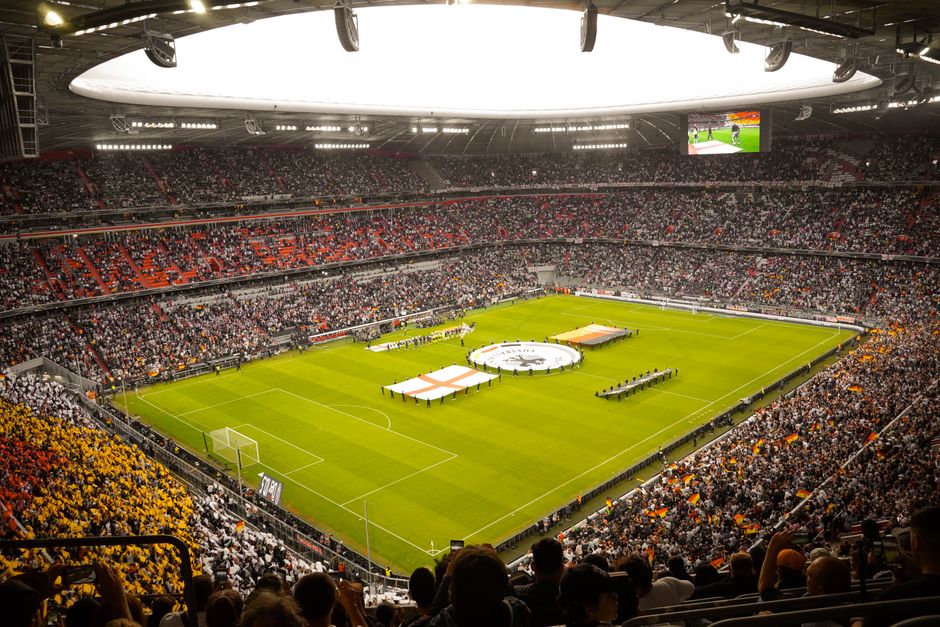
On a busy match day at Wembley Stadium, rubbish can build up fast. One minute the concourse looks tidy, the next it is stacked with cups, food packaging, cardboard, broken-down barriers, and the awkward little bits that never seem to fit neatly anywhere. A well-run Wembley Stadium match day rubbish removal case study is not really about waste alone; it is about keeping a major venue safe, presentable, and moving. It is also about timing, access, segregation, and the sort of coordination that only works when everyone knows their role.
This article walks through how a stadium-scale cleanup is typically planned and delivered, why it matters, what can go wrong, and how to approach it sensibly if you are responsible for event waste, venue operations, or post-event clear-down in Wembley. You will also find practical checklists, a comparison table, and a grounded example of how match day waste management can be handled without drama. To be fair, that last part is often the real win: no drama, just a smooth finish.
Why Wembley Stadium match day rubbish removal case study Matters
Match day waste removal around a venue like Wembley is never just a tidy-up job. It sits at the centre of crowd safety, visitor experience, operational flow, and post-event handover. If rubbish is left to accumulate, walkways narrow, smell builds up, pests become more likely, and the whole site starts to feel tired before the final whistle has even gone.
That matters even more where thousands of people are leaving in waves. The exit period after a big event is fast, noisy, and slightly chaotic. Bottlenecks appear where people stop for transport, food, or photos. Waste crews have to work around that reality, not against it. Good rubbish removal planning helps keep routes open, keeps front-of-house areas looking professional, and reduces the chance that small problems turn into bigger ones.
A strong case study also shows something else: match day waste is predictable in pattern, even when the exact volume changes. Cup-heavy areas, catering points, smoking zones, loading areas, and perimeter walkways all generate different waste streams. Knowing that in advance makes a huge difference. It is the difference between a team "clearing rubbish" and a team actively controlling waste flow.
For venue operators, contractors, and event teams, the real value is confidence. You know the job will be handled, the site will be left workable, and you will not be scrambling at midnight trying to find out where the last pile of mixed waste ended up. Sounds simple. It rarely is. But it can be done properly.
How Wembley Stadium match day rubbish removal case study Works
At stadium level, rubbish removal works best as a planned sequence rather than a reaction. The most effective approach usually starts before the event, continues during the event, and ends with a structured post-match clear-down. The basic principle is straightforward: waste should be collected, moved, sorted where possible, and removed without interfering with crowds, staff, or emergency access.
The process normally begins with a site walk-through. That helps identify the high-volume waste zones, collection points, vehicle access routes, and any restrictions that matter on the day. From there, crews can decide whether they need sacks, cages, bins, barrows, or a combination of methods. On some days, a simple grab-and-go collection system is enough. On others, you need multiple pick-up points and a stronger back-of-house flow.
Then comes timing. Match day waste can build in bursts, especially around kick-off, half-time, and final whistle. The team has to be ready for those spikes. If they only arrive after the main crowd has dispersed, the site may already look worse than it should. If they arrive too early without a proper plan, they can end up blocking their own routes or interfering with catering and stewarding.
Segregation is also a big part of the picture. Clean cardboard, mixed general waste, food waste, glass, and bulky items should not all be shoved together if the goal is efficient disposal and sensible recycling. A decent rubbish removal operation tries to keep streams separate where practical. That helps with sustainability, reduces disposal inefficiency, and makes the whole thing a bit less grim, frankly.
If you are planning this for a venue or event team, it helps to compare methods in advance. For large operational waste, waste removal is often more flexible than waiting for a static container to fill, while specialist add-ons such as recycling and sustainability planning can improve how different materials are handled after collection.
Key Benefits and Practical Advantages
There are a few clear benefits to handling stadium match day rubbish removal properly, and they show up very quickly when the site is busy.
- Safer walkways: Clear routes reduce slip, trip, and crowding risks.
- Better visitor experience: A cleaner venue feels calmer and more professional.
- Smoother operations: Staff can move more easily between zones.
- Faster end-of-event handover: Cleaning teams are not fighting mountains of waste after everyone leaves.
- More predictable costs: Planned collection is usually easier to budget for than emergency call-outs.
- Better recycling opportunities: Waste can be sorted more effectively when collection is organised.
There is also a reputational benefit. People notice cleanliness more than they admit. A venue can host a great event, but if the last impression is overflowing bins and littered paths, that sticks. It really does. The same applies to contractors and facilities teams: when the waste side is under control, the whole event feels better run.
Another practical advantage is reduced pressure on internal staff. Venue teams already have enough to manage: guest flow, security, signage, lighting, catering, transport, and the endless little issues that pop up. Outsourcing or properly structuring rubbish removal gives them one less thing to firefight.
And yes, there is a sustainability angle too. Well-managed collection allows more material to be recovered, separated, and routed appropriately. Even if the event is short, the environmental footprint of a stadium day is not small. Better waste control is one of the few improvements you can feel immediately and measure later.
Who This Is For and When It Makes Sense
This type of waste removal approach is most relevant for venue managers, event organisers, cleaning contractors, catering teams, facilities teams, and commercial waste operators working around busy public events. It also makes sense for temporary event crews handling pop-up zones, fan areas, or hospitality spaces near the stadium.
It is particularly useful when:
- there will be large crowds arriving and leaving in waves;
- food and drink packaging will generate a lot of mixed waste;
- the event has hospitality, merchandising, or temporary build elements;
- you need to protect public routes and emergency access;
- the venue must be handed back quickly after the match;
- you want to reduce the amount of waste going into general disposal;
- you are managing bulky items, cardboard, or post-event clear-up debris.
It also applies if you are dealing with waste beyond the usual litter flow. For example, temporary furniture, damaged seating, appliances in hospitality areas, or office-type materials from back-of-house spaces may need separate handling. In those cases, it may be useful to look at specialist services such as furniture disposal or, where back-office materials are involved, office clearance.
Sometimes the decision is not about whether to do a formal rubbish removal plan. It is whether you want a stressful evening or a controlled one. Truth be told, that is usually the real choice.
Step-by-Step Guidance
If you are setting up a Wembley Stadium match day rubbish removal process, the easiest way to avoid chaos is to break it into stages. Simple structure helps a lot.
- Map the waste zones. Identify catering points, seating exits, concourse areas, smoking areas, loading spaces, and any temporary build or hospitality areas.
- Estimate the likely waste streams. Think about cups, food packaging, cardboard, mixed litter, bulky waste, and any specialist items.
- Decide where collection points will sit. Put them where staff can reach them without blocking people flow.
- Choose the right equipment. Sacks, bins, cages, dollies, trolleys, and barriers all have different uses.
- Set collection timings. Build in pre-event, during-event, and post-event touchpoints rather than relying on one big sweep.
- Assign responsibilities clearly. Everyone should know who collects, who reports overflow, and who signs off the site.
- Keep segregation simple. Mixed waste should not become a catch-all if recyclable streams can be kept apart.
- Plan the exit route for waste vehicles or crews. Access matters. A lot.
- Document what was removed. Good records help with operations, invoicing, and future planning.
- Review after the event. Note where waste built up fastest and what slowed the process down.
A small but useful tip: walk the route at the same time of day the event will end. Evening light, crowds, and vehicle movements can change the feel of a site completely. What looks fine at 2 p.m. may feel cramped at 10.30 p.m. when everyone is tired and rushing for trains.
If any part of the job involves bulky household-style items from accommodation, hospitality, or temporary dressing areas, related services like mattress and sofa disposal or fridge and appliance removal may be more suitable than treating everything as ordinary rubbish.
Expert Tips for Better Results
The best waste operations are rarely the flashiest. They are the ones that are boring in the right way. Predictable. Calm. Efficient.
Here are a few practical tips that make a real difference:
- Use fewer, better-placed collection points. Too many bins can cause confusion. Too few and you get overflow. There is a sweet spot.
- Stage a small reserve capacity. A backup bag store or spare container saves the day when crowds are heavier than expected.
- Keep mixed waste off the floor for as long as possible. Once litter spreads, collection slows and the site feels messier than it is.
- Separate sharp, damp, or contaminated waste early. It is easier and safer than dealing with it later.
- Work with the event rhythm. Half-time and final whistle are not the same as the quiet build-up. Adjust your staffing accordingly.
- Use one clear point of contact. Too many voices create confusion very quickly.
One thing people sometimes underestimate is the noise and pace of the site. A bag being dragged across concrete, a trolley wheel catching, a radio crackling, crowd noise building near the exits... it all affects communication. So keep instructions short and precise. Nobody wants a five-minute speech when the concourse is filling up.
If sustainability is part of your brief, pair operational planning with recycling and sustainability thinking from the start rather than trying to sort everything after the event. It usually ends better that way.
Common Mistakes to Avoid
Even experienced teams can trip up on match day waste. The problems are often practical, not technical.
- Waiting until the end to start clearing. By then the buildup is usually too large to handle smoothly.
- Ignoring access routes. A brilliant collection plan is useless if the crew cannot reach the waste.
- Mixing all waste together. It slows sorting, increases disposal complexity, and can harm recycling outcomes.
- Underestimating wet waste. Spilled drinks and food waste make bags heavy and messy fast.
- Forgetting back-of-house areas. Many problems start away from the main crowd flow.
- Not briefing staff properly. If one person knows the plan and ten others do not, expect confusion.
- Leaving bulky items until the last minute. They clog routes and create trip hazards.
Another common issue is assuming the same setup works for every match. It does not. Kick-off time, weather, crowd type, hospitality load, and transport pressure all affect the waste pattern. A damp winter evening with more hot drinks is a different beast from a summer fixture with high footfall around the perimeter.
And one more, a bit annoying but true: if the bins are overflowing, people will still put rubbish on top of them. If the bins are hidden, people will leave litter nearby. Humans are consistent like that.
Tools, Resources and Recommendations
The right tools make a stadium rubbish removal job feel much more controlled. You do not need fancy kit. You need reliable, sensible kit.
| Tool or resource | Best use | Why it helps |
|---|---|---|
| Heavy-duty sacks | Mixed litter and food packaging | Quick to deploy and easy to replace during peak waste periods |
| Waste cages or bins | Central collection points | Keeps waste contained and makes crew movement easier |
| Trolleys or dollies | Moving waste from concourses to holding areas | Reduces carrying strain and speeds up turnover |
| Handheld radios | Live coordination | Useful when timing changes quickly or access routes shift |
| Site maps and route plans | Pre-event planning | Clarifies access, storage, and collection zones |
| Waste transfer paperwork | Record keeping | Supports traceability and operational accountability |
For teams that want a more structured commercial waste approach, pages like business waste removal and pricing and quotes can be useful when planning recurring venue work or comparing service options. If the waste includes confidential papers from offices, boxes, or admin areas, confidential shredding may also matter.
Recommendation-wise, keep your planning simple enough that a new staff member could understand it quickly, but detailed enough that a senior ops manager would trust it. That balance is the sweet spot. Not glamorous, but solid.
Law, Compliance, Standards, or Best Practice
For match day waste, compliance and best practice matter because the work affects public safety, waste handling, and site control. In the UK, the exact duties can vary depending on who holds responsibility for the waste, how it is collected, and whether the material is classed as general, recyclable, or hazardous.
In practical terms, good practice usually means:
- using a lawful, traceable route for waste removal;
- keeping waste from blocking emergency exits, access roads, or evacuation routes;
- separating materials where reasonable and safe to do so;
- handling any hazardous items with extra care;
- making sure staff are briefed on health and safety expectations;
- keeping records of collection and disposal where appropriate.
If there is any uncertainty around contaminated materials, sharp objects, broken glass, chemicals, or unusual waste from maintenance or event installations, a specialist approach is wise. That is where hazardous waste disposal becomes relevant, and it should not be treated like ordinary event litter. Different waste, different process.
Operational safety matters too. Clear routes, stable stacking, sensible lifting, and weather awareness all matter on a busy Wembley evening. Good teams also work within internal safety rules and suitable insurance expectations. Pages like health and safety policy and insurance and safety are useful reminders that waste work is not just about collection; it is about risk management.
If you are ever unsure about a specific waste stream, it is better to pause and classify it correctly than to move fast and fix problems later. That sounds obvious, but you would be surprised how often people rush it.
Options, Methods, or Comparison Table
Different match day situations need different waste methods. Here is a simple comparison that can help you choose a sensible starting point.
| Method | Best for | Strengths | Limitations |
|---|---|---|---|
| Scheduled bag collection | Routine litter and light mixed waste | Flexible, quick, easy to scale | Can struggle with bulky or heavy material |
| Centralised waste stations | Concourse and fan-zone areas | Simple for the public and staff | Needs good placement and frequent monitoring |
| Post-event bulk removal | Large clear-down after final whistle | Efficient for end-of-day clearance | Does not solve live overflow problems |
| Mixed operational waste service | Sites with varied waste types | Practical and adaptable | Less efficient if recycling is ignored |
| Specialist item removal | Bulky furniture, appliances, or unusual waste | Safer for awkward items | Needs more planning and correct classification |
A lot depends on the volume and variety of waste. If you are handling a full-day event with catering and hospitality, a hybrid model usually works best. That means live collection for public areas, plus a structured post-event sweep for back-of-house and bulky waste. Not fancy. Just effective.
For teams looking at broader site clearance, services such as builders waste clearance can also be relevant where temporary structures, packaging, or event fit-out materials are involved. It is not a straight swap, of course, but the logic of managed removal is similar.
Case Study or Real-World Example
Here is a realistic example of how a Wembley Stadium match day rubbish removal plan might come together.
A venue operations team is preparing for a high-attendance evening match. The brief is simple enough on paper: keep public areas clean, avoid trip hazards, support fast turnover after the event, and leave the site ready for the next day's operations. The team identifies several busy zones: outer approach routes, concession points, concourse seating areas, and a hospitality back corridor where cardboard and packaging tend to pile up.
Instead of waiting for the event to end, the crew starts with a pre-event sweep. They position collection points, check that access routes are clear, and agree on trigger times for live pickups. Half-time becomes the first major touchpoint. Staff make a fast pass through the most active areas, removing mixed waste and empty containers before they overflow.
After the final whistle, the pattern changes. The focus shifts to bulk collection, cardboard, and any overlooked waste near seating and catering areas. The team uses a simple route plan so that one group handles the front-of-house areas while another clears back-of-house waste. That split matters because it stops crews crossing paths unnecessarily.
There is one awkward moment, naturally. A pile of wet packaging by a concession point has been left a little too long, and it is heavier than expected. Nothing dramatic, but it slows the process for a few minutes. The team adjusts, adds an extra sack, and moves on. That small reset is what good fieldwork looks like, really.
By the end of the night, the site is not perfect in the cinematic sense. It is better than that: orderly, usable, and ready for the next step. No one is hunting for missing rubbish bags at midnight. No one is standing around muttering. That is the success.
Practical Checklist
Use this checklist before, during, and after a match day waste clearance:
- Confirm waste zones and route access
- Brief staff on collection times and responsibilities
- Place collection points where crowds naturally move
- Keep recycling, mixed waste, and bulky items separate where practical
- Check for sharp, contaminated, or hazardous material
- Plan for wet waste and overflow capacity
- Keep emergency routes and exits clear at all times
- Use radios or a clear contact chain for live updates
- Record what was collected and from which areas
- Review the event afterward and note improvements for next time
If you are also dealing with furniture from hospitality suites, temporary office items, or storage rooms, it can help to line up related services such as furniture clearance, house clearance, or loft clearance where appropriate. Not every job needs the same tools, after all.
Expert summary: the best Wembley match day rubbish removal plans are simple to understand, quick to adapt, and designed around crowd movement rather than after-the-fact cleaning. If you get the route, timing, and segregation right, the rest becomes much easier.
Conclusion
A good Wembley Stadium match day rubbish removal case study is really a case study in control. Control of timing, control of movement, control of waste streams, and control of how a site feels during one of its busiest moments. When it is done well, the result is almost invisible. People move, bins stay manageable, staff stay calm, and the venue resets without fuss.
That is what most teams want, even if they do not say it out loud. Not perfection. Just a clean, safe, workable result that holds up under pressure. If you are planning waste removal for a match day or a similar large event, start with the waste map, keep the plan realistic, and build in enough flexibility for the messy bits. There are always a few messy bits.
Get a free quote today and see how much you can save.
And if you are refining your approach for future events, keep the lessons. The best operations get better one match at a time.
Frequently Asked Questions
What is a Wembley Stadium match day rubbish removal case study?
It is a practical example or review of how waste is planned, collected, segregated, and removed during and after a match day at Wembley Stadium or a similar large venue.
Why is match day rubbish removal so important at a stadium?
Because large crowds generate waste quickly, and unmanaged rubbish can create safety issues, block access routes, and leave a poor impression on visitors.
How early should waste removal planning start before an event?
Ideally before the event day itself. A good plan starts with site mapping, expected waste volumes, and access checks so the crew is not improvising under pressure.
What types of waste are usually involved on match day?
Common waste includes cups, food packaging, cardboard, mixed litter, drinks spill residue, and sometimes bulky items or back-of-house materials.
Can match day waste be recycled properly?
Yes, at least some of it often can. The key is separating suitable materials early and avoiding everything being mixed together unnecessarily.
What is the biggest mistake venues make with rubbish removal?
Waiting until the end of the event to do everything at once. By then the waste is usually spread out, heavier, and harder to manage.
How do you keep crowds safe while removing rubbish?
By scheduling collections around movement patterns, keeping walkways clear, using sensible equipment, and avoiding waste handling in busy pinch points.
Do you need specialist handling for certain waste types?
Yes. Hazardous, contaminated, sharp, or unusual waste should be classified and handled carefully rather than treated as ordinary rubbish.
Is a bin-only approach enough for a major stadium event?
Usually not. Bins help, but most large events also need live collection, route planning, and a proper post-event clear-down.
How do you estimate how much waste a match day will produce?
You normally look at crowd size, catering volume, hospitality use, duration, weather, and whether there are temporary build or merchandising areas.
What should be included in a post-event waste review?
Note the busiest waste zones, overflow points, any access problems, what waste streams were most common, and where the process could be tighter next time.
Where can a business look for broader waste support?
For commercial operations, pages such as business waste removal and waste removal are useful starting points for understanding service options and planning needs.
What if the job includes bulky items like furniture or appliances?
Then it is worth considering specialist help rather than forcing everything into a standard litter collection. Services like furniture disposal or fridge and appliance removal may be more suitable.
How do I get a cost for this kind of service?
Costs are usually based on waste type, volume, access, timing, and the level of sorting required. A tailored quote is the safest way to get a realistic figure.